Jack, The Governance Elf, reports that Cr Wood and Cr Foster have been having loud disruptive shouting matches in the behind the scenes Councillor rooms.
It appears that they do not see eye to eye on a number of issues. This is not surprising as both have had falls outs with the Team Doyle camp even though Cr Wood is supposed to be a member of team Doyle.
Cr wood who is responsible for Cr waste still has not acted to have removed the unsightly and unsanitary rubbish bin from outside a restaurant/cafe in South Yarra. Dinners have to sit next to the offensive and disgusting rubbish bin. This does little for the City's outdoor dinning reputation let alone Cr Woods.

Showing posts with label Governance. Show all posts
Showing posts with label Governance. Show all posts
Friday, June 12, 2015

Tuesday, August 27, 2013
Questionable conduct: Report on Lord Mayor's Harassment Claim - tabled but not distributed
The City of Melbourne tabled a report on the Coucnillor Conduct Panel's determination of Cr Jackie Watts harasment claim made againt Lord Mayor Robert Doyle.
Link: 6.7b Councillor Conduct Panel – tabling of determination and reasons for determination
 The report was tabled by a motion moved Councillor Stephen Mayne and seconded by Deputy Lord Mayor, Susan Riley.
Cone of Silence amongst brothers and sisters
The Melbourne City Council refused to make copies of the report available to the media and members of the public in the public gallery.
Stephen Mayne refused to outline the finding of the report and the recommendations made which is required under law to be tabled at the Council meeting.
The extent of silence amongst Councillors was deafening as the motion was passed without debate or discussion.
Thursday, May 09, 2013
Council's Embarrassing Moment as it slugs ratepayers and City commuters

The recommendation outlined in the notice paper listed
Recommendation from management
8. That Council:
8.1.approves the draft Council Plan 2009–13
for release for public notice (Notice)
from 10 May to 7June 2013
Should have been the 2013-2017 draft Council plan
Thankfully a member of the public altered the Council to the administrative oversight and the Council was able to amend the recommendation before it was too late. Had they not done so they would have had to convene another meeting to pass the correct motion, costing ratepayers 10s of thousands of dollars.
Monday, May 06, 2013
ABC Error in Reporting on Council's Press Release on Wall Collapse
The ABC, following a complaint in relation to an article on the Wall
collapse in Swanston Street, reported that the City of Melbourne was not
required to issue a permit for the hoarding. The ABC reporter was wrong.
ABC's response to the complaint
ABC's response to the complaint
ABC News acknowledges the reporter misinterpreted the press release issued by the City of Melbourne and consequently inadvertently misrepresented the council’s position.
News advise that the release came after several days of phone calls by the reporter to the City of Melbourne asking about whether or not a council permit was required and, if so, whether one was issued. She was told by council officers that the situation regarding permits was confused as there were a number of different authorities involved. The confusion was compounded by the press release, which was not received until late in the day. On reading the release she came to the conclusion that it was indicating that the council did not need to issue a permit.
ABC News apologises for the error. The story has been corrected and an editor’s note attached.
The City of Melbourne Press release did not state that the Council "did not need to issue a
permit" to the contrary it stated that
We can confirm that the City of Melbourne has not issued a permit for the structure attached to the wall.
There are four relevant legislative frameworks – Planning, Building, Occupational Health and Safety and Local Laws. There are intricacies in the way in which these interconnect and overlap. These complexities are likely to be considered by the investigating authorities.
A CMP (Construction Management Plan) does not replace the need for Planning, Building or Local Laws approval for specific works. These must be sought separately.The City of Melbourne's responsibility of the subject of a number of inquiries including the Coroner, Work Safety and the Building Commission. The Council has refused to undertake an independent inquiry into its responsibility on the administration of public safety, it's Local laws and liability
Tuesday, April 30, 2013
March for Public Safety: Melbourne Community in Solidarity with Workers
 Some 8,000 to 10,000 Trade Unionists and members of the public marched in solidarity for public and workplace safety.
The Union rally follows on from four deaths associated with GroCon buildings sites in Melbourne. One Worker who fell from a construction site crane and three innocent pedestrians who were killed when a hoarding and brick wall collapsed on March 28.

 Whilst the main focus was on GroCon and the State Government Work Safety questions are being asked as to the City of Melbourne's responsibility and why it failed to issued a permit or inspect the Swanston Street building site?
The City of Melbourne needs to undertake an internal review of its role in the tragic events and its statutory obligations.
- Is GroCon being given favourable consideration and are they exempt from local laws and prosecution?
- Has the City of Melbourne been negligent or are they turning a blind eye in a gentleman's agreement?
 The media are also asking questions but the Council has gone underground refusing to answer, hoping to weather the storm and escape attention from three government inquiries. Worksafe, the Buildling Industry and a Coronal inquiry.
There is a need for a fourth Statutory compliance and review which must look closely at the role of the City of Melbourne in overseeing Construction site public safety.
 The City of Melbourne has a whole department of Engineers and exactly what do they do other then Engineer congestion, attend seminars and drink coffee? If they are not providing oversight, inspection and enforcing the rules why are they employed? Why are rate payers paying their wages?
The Union movement plans further rallies should the government inquires seek to scape goat or fail to hold to account those responsible. This includes the City of Melbourne and the State Government
Thursday, March 28, 2013
The Art of Delegation and Register Reporting
The City of Melbourne is required under the Local Government Act to review its list of delegations within 12 months following the Municipal election.
There is ongoing concern at the misuse and abuse of decisions made under delegation. Whilst there is a requirement for a register of delegations there is no mandatory requirement to maintain or publish a register of decisions made under the instrument of delegations. This leaves the whole system of governance wide open to misuse and abuse. No one knows who and when a decision is made and under what authority the decision had.
Individual Councillors under the terms of the Local Government Act and the Councillors "Code of Conduct" can not direct Council Staff in the performance of their duty or in exercising any decisions made under delegation. It is unclear if that applies to decisions made by the Council as a whole. (Section 76E (3) of LG Act) By inference a Council can direct the CEO to take certain action within some limits.
The power of delegation is limited to expressed delegations made to the Chief Executive Officer, a member of staff and or special committee or advisory board. A person or bodies who have been delegated authority can not further delegate to someone else or another body powers or duties delegated to them. If this is required this would have to be done by way of amending the substantive authority of delegation.
It sounds a bit convoluted but it is designed to ensure that there is a clear line of responsibility and authority. Untangling the web of delegations is an art form unto itself.
Understanding the process is made that much more difficult when decisions are made under delegation and there is no central database or record of those decisions.
We have raised the issue of delegation and the need for a register of decisions made under delegation with the Lord Mayor and Councillor Stephen Mayne, who is chairman of the Council's Governance Portfolio. We hope this issue will be looked into and addressed when the new Council finally gets around to reviewing the register of delegations.
From our past experience this will be one of those last minute decisions that the Council administration will present to the Council at the last minute giving them little time to seriously pick though the list of delegations and understand exactly what powers they are delegating.
A register of decisions made under delegations, if properly designed and implemented, would give Councillors a better understanding and oversight of the delegated process.
Do not hold your breath. Previous Councils have not got around to reviewing the process properly and we do not expect, although we remain hopeful, that this council will get it right either.
Maybe Stephen Mayne will be the one. Somehow I think not.
Another issue but semi related to the question of governance there is a requirement that Council must record and register any "Assembly of Councillors"
Section 3 of the Local Government Act -Definitions, states:
It should be noted that there have been a number of assemblies of Councillors that have taken place this term that have not been listed on the City Council's published register But we are noting them and recording the details along with keeping a close eye on Councillor expenses, interstate and overseas travel.
There is ongoing concern at the misuse and abuse of decisions made under delegation. Whilst there is a requirement for a register of delegations there is no mandatory requirement to maintain or publish a register of decisions made under the instrument of delegations. This leaves the whole system of governance wide open to misuse and abuse. No one knows who and when a decision is made and under what authority the decision had.
Individual Councillors under the terms of the Local Government Act and the Councillors "Code of Conduct" can not direct Council Staff in the performance of their duty or in exercising any decisions made under delegation. It is unclear if that applies to decisions made by the Council as a whole. (Section 76E (3) of LG Act) By inference a Council can direct the CEO to take certain action within some limits.
The power of delegation is limited to expressed delegations made to the Chief Executive Officer, a member of staff and or special committee or advisory board. A person or bodies who have been delegated authority can not further delegate to someone else or another body powers or duties delegated to them. If this is required this would have to be done by way of amending the substantive authority of delegation.
It sounds a bit convoluted but it is designed to ensure that there is a clear line of responsibility and authority. Untangling the web of delegations is an art form unto itself.
Understanding the process is made that much more difficult when decisions are made under delegation and there is no central database or record of those decisions.
We have raised the issue of delegation and the need for a register of decisions made under delegation with the Lord Mayor and Councillor Stephen Mayne, who is chairman of the Council's Governance Portfolio. We hope this issue will be looked into and addressed when the new Council finally gets around to reviewing the register of delegations.
From our past experience this will be one of those last minute decisions that the Council administration will present to the Council at the last minute giving them little time to seriously pick though the list of delegations and understand exactly what powers they are delegating.
A register of decisions made under delegations, if properly designed and implemented, would give Councillors a better understanding and oversight of the delegated process.
Do not hold your breath. Previous Councils have not got around to reviewing the process properly and we do not expect, although we remain hopeful, that this council will get it right either.
Maybe Stephen Mayne will be the one. Somehow I think not.
Another issue but semi related to the question of governance there is a requirement that Council must record and register any "Assembly of Councillors"
Section 3 of the Local Government Act -Definitions, states:
assembly of Councillors
(however titled) means a meeting of an advisory committee of the Council, if at least one Councillor is present, or a planned or scheduled meeting of at least half of the Councillors and one member of Council staff which considers matters that are intended or likely to be-
(a) the subject of a decision of the Council; or
(b) subject to the exercise of a function, duty or power of the Council that has been delegated to a person or committee- but does not include a meeting of the Council, a special committee of the Council, an audit committee established under section 139, a club, association, peak body, political party or other organisation;
It should be noted that there have been a number of assemblies of Councillors that have taken place this term that have not been listed on the City Council's published register But we are noting them and recording the details along with keeping a close eye on Councillor expenses, interstate and overseas travel.
Saturday, March 09, 2013
Leppert Occupies the Melbourne Den
Greens Melbourne City Councillor, Rohan Leppert, plays cheap divisive politics and in the process brings the City Council into disrepute.
Rohan Leppert was elected to the City of Melbourne last October, his election was due to a flaw in the method of counting the vote which inflated the value of the Greens at the expense of Team Doyle. 8% of Melbourne voters were disenfranchised as a result of the system of proportional representation and the use of the Droop quota. Under the Droop quota the total number of vote is divided by ten and a slice of the cake discarded
Analysis of the 2012 City of Melbourne votes, using a full proportional voting system where the cake is divided into nine slices, indicates that Rohan Leppert would not have been elected, in his place community candidate Kevin Chamberlin should have been elected. A pure proportional system would not have discarded or disenfranchised Team Doyle's 8% surplus, each vote would have equal weight.
Rohan Leppert is calling on the City Council to refer the conduct of the Victorian police to the newly created IBAC anti-corruption body.
Rohan Leppert will not secure support for what is widely considered to be pure opportunism and grandstanding. More importantly it is an abuse of process. If Rohan Leppert sincerely believes that the events surrounding the Occupy Melbourne protest warrants criminal investigation and review by IBAC he could have acted as an individual or with the support of other organization. IBAC ahs much more important issues to consider then frivolous political opportunism. further there are other avenues for review that should be considered prior to referral to IBAC
Rohan Leppert is a clear indication the style of politics advocated by the Greens. There are much more pressing issues such as the need to restore open and transparent governance in the City Council, issues related to traffic management, infrastructure, planning ,finance and electoral reform that need addressing that Rohan Leppert has not addressed.
Whilst Rohan Leppert seeks to claim the mantle of civil libertarian the fact is he is naive and undemocratic. The Greens themselves are renowned for the lack of transparency in there party policy development with Journalists denied access to their state conference forums. Rophan Leppert himself has also been critic for banning those critical of Green policies from following him on Twitter. A case of do as he says not what he does.
Rohan Leppert, having been elected to the City Council must also consider his fiduciary duty to the Council as a whole and the Councils local laws not sectional political grandstanding.
This issue would also be a test of integrity for other City Councillors including Jackie Watts, Richard Foster and Stephen Mayne.
Wednesday, March 06, 2013
Melbourne's Planning Scheme in tatters lacking flexibility, innovation and certainty
Melbourne City Council last night demonstrated the Councils inability to provide good governance and proper planning.
The Council's pride was wounded as the City of Melbourne faced reality that its planning scheme does not meet the demands of a growing and innovative city or facilitate good design.
There was acceptance that the proposed Australia 108 project was a quality development that would contribute to Melbourne built environment.
The City of Melbourne's ego has been bruised as it realizes that the Council has become irrelevant to Melbourne's planning system. The Council's main objection is that Nonda Katsalidis's FK Architects
does not comply with the City's Planning Scheme provision and its established high limit of 100m. The Council has been sidelined in the planning process.
So impressed with the proposed design Deputy Chair of Planning, Cr Stephen Mayne, called on the State Government to make it a condition of the development that Nonda Katsalidis be retained as the projects Architect.
The City of Melbourne employes a fleet of staff and consultants all who are highly paid. Previously Cr Mayne had complained that the Council was only given 14 days to respond to the proposed development, however the council was able to consider and respond to the Minister within a week of being asked to respond to the Ministers invitation.
The problem is not the project design but with the Melbourne Planning Scheme.
The City Council planning system and its involvement in major projects has been in free fall ever since the City back-downed and supported the shift of the Melbourne Museum from the centre of the city to the outskirts. Whilst the Council remains an advocate in the planning process, it's credibility and relevance is non exsistant. Until they become proactive and embrace good design and innovation all the winging and crying in the beer will not help.
Friday, February 22, 2013
Hidden Meetings: City of Melbourne Caught-out
The City of Melbourne has been exposed for breaching article 80A of the Local Government Act.
In accordance with section 80A of the Local Government Act 1989 (the Act), written records of assemblies of Councillors are to be reported at an ordinary meeting of the Council as soon as practicable.
On February 7 Maverick Councillor Stephen Mayne reported in his "Tweet" that he had in fact chaired an undisclosed unadvertised Finance and Governance Committee meeting
A review of the City of Melbourne published report tabled for next weeks Council meeting fails to list or mention the meeting that Cr Mayne claimed he had chaired on February 7.
The failure of the Council administration to properly report all meetings of Councillors has highlighted the full extent and level of contempt the Council administration will go to to avoid disclosure and accountability. Either Stephen Mayne has lied or misrepresented the Council in reporting his tweet or the City of Melbourne has been negligent or deliberately seeking to avoid reporting meetings of the Council.
Decisions made behind closed doors and unreported decisions by Council Staff under "delegation" leaves the City of Melbourne wide open to the allegation of ongoing corruption with the current City Council complacent to the deceit.
In accordance with section 80A of the Local Government Act 1989 (the Act), written records of assemblies of Councillors are to be reported at an ordinary meeting of the Council as soon as practicable.
On February 7 Maverick Councillor Stephen Mayne reported in his "Tweet" that he had in fact chaired an undisclosed unadvertised Finance and Governance Committee meeting
Enjoyed 90 minute session this afternoon chairing first Finance and Governance committee meeting at City of Melb. Lots of meaty debate.The Melbourne City Council holding secret meetings behind closed doors comes as no surprise, as they continue to deny public scrutiny of their actions.
— Stephen Mayne (@MayneReport) February 7, 2013
A review of the City of Melbourne published report tabled for next weeks Council meeting fails to list or mention the meeting that Cr Mayne claimed he had chaired on February 7.
The failure of the Council administration to properly report all meetings of Councillors has highlighted the full extent and level of contempt the Council administration will go to to avoid disclosure and accountability. Either Stephen Mayne has lied or misrepresented the Council in reporting his tweet or the City of Melbourne has been negligent or deliberately seeking to avoid reporting meetings of the Council.
Decisions made behind closed doors and unreported decisions by Council Staff under "delegation" leaves the City of Melbourne wide open to the allegation of ongoing corruption with the current City Council complacent to the deceit.
Thursday, February 07, 2013
Mayne caught out holding secret meetings behind closed doors
Do as Stephen says not what he does.
Melbourne City Councillor and self proclaimed advocate for open transparent democracy, Stephen Mayne, has been caught out chairing a secret "behind closed doors" City of Melbourne Finance and Governance Committee Meeting.
No such meeting has been listed on the City Council's web site. The meeting held was not advertised or open to members of the public as required under section 89 of the Victorian Local Government Act.
There is ongoing concern at the legality of City of Melbourne's Council's Secret Meetings and their non compliance with State laws.
Complaints to the Local Government Inspectorate on this issue is still pending review.,
Melbourne City Councillor and self proclaimed advocate for open transparent democracy, Stephen Mayne, has been caught out chairing a secret "behind closed doors" City of Melbourne Finance and Governance Committee Meeting.
Enjoyed 90 minute session this afternoon chairing first Finance and Governance committee meeting at City of Melb. Lots of meaty debate.Stephen Mayne tweeted today that he had in fact chaired a City Council Finance and Governance Committee Meeting.
— Stephen Mayne (@MayneReport) February 7, 2013
No such meeting has been listed on the City Council's web site. The meeting held was not advertised or open to members of the public as required under section 89 of the Victorian Local Government Act.
There is ongoing concern at the legality of City of Melbourne's Council's Secret Meetings and their non compliance with State laws.
Complaints to the Local Government Inspectorate on this issue is still pending review.,
Tuesday, February 05, 2013
Doyle's splash of color
 Melbourne's Lord Mayor, Robert Doyle, sporting a pair of red socks added a splash of color and sartorial elegance and fashion in what was otherwise a boring Council meeting. (This addition to Robert's attire is solely due to the influence of his wife and should not be seen as a political statement)
There were only three items for public discussion on the Council's agenda, non of which were controversial or contentious. Richard Foster's Citywide Smoking ban was not listed for discussion.
Do as I say not what I do.
Maverick City Councillor, Stephen Mayne, still has not raised or addressed issues in relation to open transparency and the need for Council meetings to be open to the public. The Council continues to hold secret behind closed doors Councillor Forum meetings and decisions made under Council delegation are not reported. Complaints forwarded to the State Local Government Inspectorate in relation to the City Council's non compliance with section 89 of the Local Government Act are still pending review.
Wednesday, May 07, 2008
John So head in the sand and hand in the public pocket
John So continues to spend spend spend whilst burying his head in the sand.
The State Government has also wiped it's hands clean and failed undertake a review of the City of Melbourne's representative model. Whilst every other Municipality is subjected to comprehensive review Melbourne has been excluded.
Its been just seven years since Melbourne narrowed its focus and adopted a direct election of its Lord Mayor.
Last year there was a half hearted proposal for the City of Melbourne to initiate it won representative review, A proposal that met with opposition from John So and was rejected on the casting vote of the Lord Mayor.
Why the city councillors that were supporting a review did not appeal directly to the State Government is anyones guess. After all it is the responsibility and determination of the State Government to undertake any serious independent review.
David Dunstan in today's Age has reflect on the issues that face Melbourne faces and the need to ensure that the City's governance meets the challenges it faces.
The proposal to create a greater City of Melbourne is not new but for various reasons has never been taken seriously. Jeff Kennett in fact went the other way and reduced the size of the Council to that of a small island.
There is an urgent need to review and expand the Cities boundaries.
The direct election model has failed to provide good governance and accountability.
John So has spent the Cities inheritance and family jewels. Come November he will also loose the support of a number of his collection or rubber stamps. It is expected that John will dump his Deputy Lord Mayor, Gary Singer, as team up with the third rate councillor David Wilson. Catherine NG, one of So's best performers. is expected to stand down leaving a serious gap in Johns ability to undertake even the most basic of tasks required by the City Council.
John So leadership is also under question.
John has failed to provide financial management or corporate governance. His ability to chair a meeting is left seriously lacking.
Whilst there is ongoing support and talk around the town hall for an urgent review of the City Council, reality is that both the Councillors and the State Government have left it too late to initiate a serious review.
At best we could hope that the State Government undertakes a ministerial review restore balance and strengthen the Council's accoutability and governance in the City Structure.
Lord Mayor, by default, is also the Council's chairman.
One proposal that should be considered and adopted is the need to separate the role of Lord Mayor and that of the Chairman of the Council.
When the State Government implemented a direct election model it did not pay sufficient attention to the functioning of the Council and did not consider to the role of chairman.
The chairman of any council should always maintain the support and confidence of the elected Council, the Chairman must be elected from and by the Council itself and not part and parcel of Lord Mayor's position.
The separation of the two roles and allowing the City Council to appoint the Council's chairperson of their own chopping would go a long way to strengthening the Council's governance and ability to hold the executive to account.
This one change is simple and logical and should be adopted without delay in the first week of the spring parliamentary session prior to the November Municipal election.
The State Government has also wiped it's hands clean and failed undertake a review of the City of Melbourne's representative model. Whilst every other Municipality is subjected to comprehensive review Melbourne has been excluded.
Its been just seven years since Melbourne narrowed its focus and adopted a direct election of its Lord Mayor.
Last year there was a half hearted proposal for the City of Melbourne to initiate it won representative review, A proposal that met with opposition from John So and was rejected on the casting vote of the Lord Mayor.
Why the city councillors that were supporting a review did not appeal directly to the State Government is anyones guess. After all it is the responsibility and determination of the State Government to undertake any serious independent review.
David Dunstan in today's Age has reflect on the issues that face Melbourne faces and the need to ensure that the City's governance meets the challenges it faces.
The largest and most central of them all, Melbourne City Council, instead of being made larger to give a lead, was made smaller and more ineffectual to prevent inner-city residents having any say over Melbourne's lucrative golden mile and inner region. Labor has been careful not to undo the pro-growth, pro-big-property stance of its predecessors. But for nine years it has taken the city for granted, simply assuming that it can absorb the growth to 4.5 million people. Now problems of housing affordability, traffic congestion and the inadequate contribution of the public transport system are upon us.
The proposal to create a greater City of Melbourne is not new but for various reasons has never been taken seriously. Jeff Kennett in fact went the other way and reduced the size of the Council to that of a small island.
There is an urgent need to review and expand the Cities boundaries.
The direct election model has failed to provide good governance and accountability.
John So has spent the Cities inheritance and family jewels. Come November he will also loose the support of a number of his collection or rubber stamps. It is expected that John will dump his Deputy Lord Mayor, Gary Singer, as team up with the third rate councillor David Wilson. Catherine NG, one of So's best performers. is expected to stand down leaving a serious gap in Johns ability to undertake even the most basic of tasks required by the City Council.
John So leadership is also under question.
John has failed to provide financial management or corporate governance. His ability to chair a meeting is left seriously lacking.
Whilst there is ongoing support and talk around the town hall for an urgent review of the City Council, reality is that both the Councillors and the State Government have left it too late to initiate a serious review.
At best we could hope that the State Government undertakes a ministerial review restore balance and strengthen the Council's accoutability and governance in the City Structure.
Lord Mayor, by default, is also the Council's chairman.
One proposal that should be considered and adopted is the need to separate the role of Lord Mayor and that of the Chairman of the Council.
When the State Government implemented a direct election model it did not pay sufficient attention to the functioning of the Council and did not consider to the role of chairman.
The chairman of any council should always maintain the support and confidence of the elected Council, the Chairman must be elected from and by the Council itself and not part and parcel of Lord Mayor's position.
The separation of the two roles and allowing the City Council to appoint the Council's chairperson of their own chopping would go a long way to strengthening the Council's governance and ability to hold the executive to account.
This one change is simple and logical and should be adopted without delay in the first week of the spring parliamentary session prior to the November Municipal election.
Saturday, November 17, 2007
CEO pitches a curve ball on the eve of his departure
David Pitchford, Melbourne's soon to depart CEO in an interview reported in the Age Newspaper has made some rather interesting comments. The statements raise more questions and could possible give some insight into why he did not make the grad.
Pitchford had overseen the expansion of the City Council at an unprecedented rate. His out of control unfettered "design me a job" benefits he offered his senior team had left the City facing near bankruptcy. It was not until the Council called in a team of experts management consultants (At an addition cost to the CEO's $350,000 per year plus benefits remuneration) that the Council began to face reality.
Melbourne has only had three really good Ceos in recent memory. John Young, Elizabeth Proust and Andy Friend. Each person had a different approach and style to governance.
The Council went down hill fast following the appointment of Micheal Malouf (Who most people have forgotten already). It was under Malouf that governance standards declined dramatically and corruption began to set in. The Council no longer maintained a "non-political" professional management. Malouf's contribution aided and abetted by Alison Lyons lead to the dismissal of the elected City Council who was held out as the escape goat for poor governance whilst Maklouf and the administration escaped blame or accountability. Sure there were just reasons to dismiss the City Council at the time but the situation was made worst by a CEO who was out of his depth.
Part of the solution introduced by the then Minister (He did not last long) Bob Cameron was the introduction of a directly elected Lord Mayor. (On what basis the minister made this decision is difficult to determine as the review hearing was held behind closed doors and copies of submissions received where never published) Exactly who supported the idea is unknown but what is clear is that the directly elected Lord Mayor is part of the problem and not the solution
The direct election of a popular Lord Mayor has failed to deliver good governance and the elected Council is worst off as a result. There are many arguments against the notion of a directly elected Lord Mayor which I will not go into here suffice to say that the Lord Mayor and chairman of the Council must maintain the confidence and support of the elected Council.
A directly elected Mayor is only held accountable once every four years where an appointed Mayor is held accountable daily by the elected Council.
What was interesting in then Pitchford swan song was his request for the current Local Government Minister Dick Wynn (Former City of Melbourne Lord Mayor) for the Minister to review the direct election model.
The question should be why wait until the newly elected council is elected. Surely any review should be made prior to the 2008 election?
The City of Melbourne is due for a representation review but sadly the City is excluded from the process of review as applies to all other Municipalities in Victoria.
The State Government should undertake a comprehensive review of the City of Melbourne
(Including its external boundaries) early in the new year. Only then will we begin to address the real structural flaws that exist in the management of the City Council.
With the Federal Election soon out of the way NOW is the time to put the review in place and act before the November 2008 Municipal elections.
Pitchford had overseen the expansion of the City Council at an unprecedented rate. His out of control unfettered "design me a job" benefits he offered his senior team had left the City facing near bankruptcy. It was not until the Council called in a team of experts management consultants (At an addition cost to the CEO's $350,000 per year plus benefits remuneration) that the Council began to face reality.
Melbourne has only had three really good Ceos in recent memory. John Young, Elizabeth Proust and Andy Friend. Each person had a different approach and style to governance.
The Council went down hill fast following the appointment of Micheal Malouf (Who most people have forgotten already). It was under Malouf that governance standards declined dramatically and corruption began to set in. The Council no longer maintained a "non-political" professional management. Malouf's contribution aided and abetted by Alison Lyons lead to the dismissal of the elected City Council who was held out as the escape goat for poor governance whilst Maklouf and the administration escaped blame or accountability. Sure there were just reasons to dismiss the City Council at the time but the situation was made worst by a CEO who was out of his depth.
Part of the solution introduced by the then Minister (He did not last long) Bob Cameron was the introduction of a directly elected Lord Mayor. (On what basis the minister made this decision is difficult to determine as the review hearing was held behind closed doors and copies of submissions received where never published) Exactly who supported the idea is unknown but what is clear is that the directly elected Lord Mayor is part of the problem and not the solution
The direct election of a popular Lord Mayor has failed to deliver good governance and the elected Council is worst off as a result. There are many arguments against the notion of a directly elected Lord Mayor which I will not go into here suffice to say that the Lord Mayor and chairman of the Council must maintain the confidence and support of the elected Council.
A directly elected Mayor is only held accountable once every four years where an appointed Mayor is held accountable daily by the elected Council.
"Mr Pitchford believes Local Government Minister Dick Wynne should review the City of Melbourne Act after next year's council elections, to evaluate whether the system of a popularly elected lord mayor has worked."
What was interesting in then Pitchford swan song was his request for the current Local Government Minister Dick Wynn (Former City of Melbourne Lord Mayor) for the Minister to review the direct election model.
The question should be why wait until the newly elected council is elected. Surely any review should be made prior to the 2008 election?
The City of Melbourne is due for a representation review but sadly the City is excluded from the process of review as applies to all other Municipalities in Victoria.
The State Government should undertake a comprehensive review of the City of Melbourne
(Including its external boundaries) early in the new year. Only then will we begin to address the real structural flaws that exist in the management of the City Council.
With the Federal Election soon out of the way NOW is the time to put the review in place and act before the November 2008 Municipal elections.
Monday, November 12, 2007
Pitchford bites the dust and departs Melbourne
Embattled Chief Executive David Pitchford has called it quits. He has jump ship before being forced to resign.
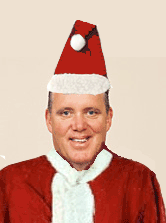 David Pitchford, one of Australia over paid top executives whose skills do not match his remuneration, has been looking around for a new job ever since the City of Melbourne refused to extend his contract for the full term.
David, king of the designer me a job brigade, will be remembered for the blow-0ut in council expenditure and the rebuilding of the Council top heavy staff structure at Melbourne which under John So has seen Melbourne face a bleak future and possibly bankruptcy.
Both David Pitchford and John So failed to address the staffing crisis at Melbourne. The Council still remains top-heavy with most senior managers having closed ranks and held on to their position.
PITCHFORD NEVER REALLY ADDRESSED THE GOVERNANCE ISSUES IN COUNCIL
Along with Alison Lyons, Pitchford was responsible for the corruption scandal that hit Melbourne with the Traffic Jam Affair which resulted in the State Ombudsman Department doing a raid on the City Offices following the Council's attempt to cover-up and their refusal to co-operate over their investigation of the Council's parking fine extortion racket designed to fund the Council's Staff's empire. Lyons who was the "Brains behind the councils legal avoidance representation, was the first to go and now Pitchford has made his final farewells.
The Council has one year left of its fixed four-year term of office. And for the second time this term will go through the CEO selection procedures.
Melbourne City Council chief executive David Pitchford to quit
Mary Bolling - Herald Sun reports
MELBOURNE City Council's top bureaucrat will announce his resignation today, at a press conference at Melbourne Town Hall.
Council chief executive David Pitchford will step down after four years in the role – and only months after being reappointed to the role by councilors.
Lord Mayor John So will not be at the press conference, and it is understood Mr Pitchford will take on a new role offshore.
Mr Pitchford was controversially appointed to the top council officer job in 2003.
It was later revealed he was not the number one candidate.
The bureaucrat came to council after terminating his contract as the Melbourne Commonwealth Games organising committee deputy CEO.
Earlier this year, Mr Pitchford was at the centre of a storm as a critical report recommended the big-spending council cut $4 million from the annual budget.
The report sparked a round of sackings at Town Hall.
 David Pitchford, one of Australia over paid top executives whose skills do not match his remuneration, has been looking around for a new job ever since the City of Melbourne refused to extend his contract for the full term.
David, king of the designer me a job brigade, will be remembered for the blow-0ut in council expenditure and the rebuilding of the Council top heavy staff structure at Melbourne which under John So has seen Melbourne face a bleak future and possibly bankruptcy.
Both David Pitchford and John So failed to address the staffing crisis at Melbourne. The Council still remains top-heavy with most senior managers having closed ranks and held on to their position.
PITCHFORD NEVER REALLY ADDRESSED THE GOVERNANCE ISSUES IN COUNCIL
Along with Alison Lyons, Pitchford was responsible for the corruption scandal that hit Melbourne with the Traffic Jam Affair which resulted in the State Ombudsman Department doing a raid on the City Offices following the Council's attempt to cover-up and their refusal to co-operate over their investigation of the Council's parking fine extortion racket designed to fund the Council's Staff's empire. Lyons who was the "Brains behind the councils legal avoidance representation, was the first to go and now Pitchford has made his final farewells.
The Council has one year left of its fixed four-year term of office. And for the second time this term will go through the CEO selection procedures.
Melbourne City Council chief executive David Pitchford to quit
Mary Bolling - Herald Sun reports
MELBOURNE City Council's top bureaucrat will announce his resignation today, at a press conference at Melbourne Town Hall.
Council chief executive David Pitchford will step down after four years in the role – and only months after being reappointed to the role by councilors.
Lord Mayor John So will not be at the press conference, and it is understood Mr Pitchford will take on a new role offshore.
Mr Pitchford was controversially appointed to the top council officer job in 2003.
It was later revealed he was not the number one candidate.
The bureaucrat came to council after terminating his contract as the Melbourne Commonwealth Games organising committee deputy CEO.
Earlier this year, Mr Pitchford was at the centre of a storm as a critical report recommended the big-spending council cut $4 million from the annual budget.
The report sparked a round of sackings at Town Hall.
Monday, June 04, 2007
Popularity versus Good Governance So comes under detail scrutiny and review
Is the State Government up to the challenge?
The Age Kenneth Davidson takes a look at the underlying problems and legacy of the Kennet Government's Local Government Reform and the urgent need for the State Government to take the necessary step of intitiating further reform and not just ride the wave.
Davidson take a inner look at the City of Melbourne but teh real soultion lies outside its current boundaries and the need to serious consider a Greater Melbourne in association with electoral reform that restors good governance, accountability and representation.
The sooner the State Government initiates a public review the sooner we can begin to address the issues that confront our city.
Council pathways need urgent repair
Kenneth Davidson The Age June 4, 2007
THE report by Ernst & Young on the operations of the Melbourne City Council is a blistering attack on the administration of the MCC under Lord Mayor John So.
Finances are out of control. According to the report, the council has had negative cash flow of $67 million in the past two years and the cumulative draw on capital over the next 10 years is estimated at $109 million.
The report states there are three key issues that contributed to the problems the council now faces: "Administration and council decision-making processes are often inconsistent, incomplete and based on poor data, the administration has an increasingly top heavy, disaggregated organisation structure, and management of staff performance is ineffective."
Incredibly, So is refusing to take responsibility even though he played an active part behind the scenes in most of these decisions. He claims wrongly the administration of the council is the responsibility of the chief executive, David Pitchford.
Even greater responsibility lies with the State Government, which inherited an electoral gerrymander created under the Kennett government that Premier Steve Bracks has refused to reform because it wants to have both control and distance when the council becomes the victim of its own in-built incompetence.
It is the same governance principle that applies to the franchise model governing urban public transport. The Government wants to earn the gratitude of the big end of town, which wants to make money from building toll roads financed by public-private partnerships. It wants the foreign multinationals that stand behind Connex and Yarra Trams to take the heat for running an inadequate public transport system. The franchisees run the system to maximise their profit from the subsidy, which is now about twice the subsidy that applied just before the MET was taken out of public control, without an improvement in service that could justify the extra cost to the taxpayer. The Government believes it is a price worth paying in order to confuse the issue of who is responsible for the system.
As Transport Minister Lynne Kosky said recently in response to the question, why shouldn't the Government exercise its right to rescind the franchise without penalty in November, the Government didn't want to be responsible for running a transport system. Like So at the local government level, Kosky at the state level uses the same excuse of managerial issues outside her control to duck ministerial responsibility.
The Kennett legacy is still with us. The politicians run a double act. They are dictatorial when it suits them to be seen as decisive, and have the ability to deny accountability when it suits them to put distance between themselves and unpopular decisions.
As the Ernst & Young report points out, the wasteful expenditure, very often with no higher purpose than to increase the standing of So, has occurred because So's control of council numbers means that projects involving additional spending outside the budget global limits, which should be referred to full council, are stitched up by council committees.
"Decisions are routinely made by council committees on recommendations that require new funding," the report said. "This is exacerbated by the practice of not providing full costing details … (this) sets up conflict in the budgeting process as the total cost of approved initiatives exceeds the council approved budget."
The most egregious example of the impact of this approach was So decision to provide $47.5 million to the development of the Convention Centre on South bank on the suggestion of the Treasurer, John Brumby, without referring the proposal to full council until he had stitched up the numbers outside the committee and council process.
So was told by Brumby the project would not go ahead unless the council made the $47.5 million contribution, even before concept plans were drawn up and tenders called for the development, according to Kevin Chamberlin, who was chairman of the finance committee at the time and not a supporter of the proposal.
The Bracks Government may be characterised as Kennett Lite. It's public face is warm, friendly and caring but it is largely responsible to the same interests that stood more openly behind the Kennett government. Like the Kennett government, the Bracks Government hides behind a managerialism that tries to put as much distance between the Government and ordinary voters as possible.
The Bracks Government inherited gerrymandered boundaries and an undemocratic "deeming" provision for voting in MCC elections. The only reforms the Bracks Government introduced were to abolish the ward system and the introduction of direct voting for mayor separate from the election of councillors.
The Government left in place the gerrymandered boundaries introduced by Kennett, which split off parts of North Melbourne, half of Kensington and all of North Carlton.
The deeming provisions means that council officers are legally required to look up directors and owners of commercial property only, and where they are not already on the electoral roll they can be "deemed" to be on the role. Electoral material and ballots will be sent to them and they are entitled to vote, even if they live in China or Hong Kong or elsewhere and have never visited Melbourne or known anything about the candidates standing. The system is wide open to rorting. And yet it hasn't been referred to the Victorian Electoral Commission, which is undertaking a review of local government structures and voting. Why?
Melbourne could get a better set of representatives if the pre-Kennett boundaries were restored and direct mayoral election was abolished, according to Green councillor Fraser Brindley. The present system, which gives more votes to commercial property owners than residents, suits the Government because it favours tame-cat business representatives who share the Government's "development" objectives such as channel deepening, the East-West tunnel linking Hoddle Street and the Tullamarine Freeway, the Convention Centre and special events such as the Grand Prix and the Commonwealth Games.
Population is coming back to inner Melbourne. The gerrymander should be reversed so that the council is elected by a majority of residents rather than absentee property owners. MCC electoral reform and public ownership of the urban transport system are the necessary preconditions to seriously tackling Melbourne's livability issues.
Being Ernst and Young Melbourne City Council's $300,000 Efficiency Report
Melbourne City Council has published, following public outcry and ongoing speculation, has decided to publish secret $300,000 Ernst and Young - Efficiency Report.
The report confirms what everyone has known but the City Council refused to acknowledge. It cost the City Council over $300,000. This report, well worth the read if not the cost, will become a road map by which ratepayers and the State Government will review the performance of the Council and to senior management.

To date the report card is not looking good. We have seen a continued reduction in the working capital of the City Council and a ever expanding costs and wasted expenditure.
Can John So turn the sinking ship around before it goes bottom up?
John So has tried to place the blame on the CEO claiming that the CEO is responsible for staff management and Council finances. It was only two months ago that John So and the City Council resolved to extend David Pitchford's employment contract (be it for a reduced two year tenure). If the Ceo performance and financial management has been so bad that John So now finds it necessary to cast blame on David Pickfords performance then why was his contract renewed and why didn't the City Council put to open public tender the Ceo position?
The Fact remains that John So must share responsibility for the financial blowout. Under John So's term of Office Melbourne has seen a massive increase in staffing and expenditure. increased income from expanding property values and rate revenue have underpinned the Council's exuberance and excess. Now reality hits. If the Council fails to act and reduce costs the City Council will be bankrupt in ten years time. Increases in property values and expansion of City development will not save the council from it's financial fate. Hard decisions need to be made. Decisions that are made worst by John So's negligence and high expenditure.
The State Government must also act to address the situation. It is not just the City of Melbourne that is under financial pressure other city Councils also are feeling the burden of keeping rate increases to a minimum whilst delivering essential services. Many Councils can not afford the luxuries that the City of Melbourne forks out. Councillors and Staff are treated to numerous benefits, free meals, free booze and 5 star overseas "Fact Finding Excursions" the lord Mayor and Deputy Lord Mayors have an all expenses paid limousines and a full time drive costing $100,000 a year at the Lord Mayor's disposal. (the costs of which is not disclosed in the Council's published expense statements).
The State Government needs to fulfill its promise to the electorate in the lead up to the 2006 State Election. Melbourne City Councils external boundaries need to be reviewed along with its representative model.
Greater Melbourne - Long term efficiency gain
Councilor Peter Clark highlighted the issue when he called for public debate on the creation of a Greater Melbourne and efficiency gains in planning and finance that would benefit Victoria and Melbourne Inner City development.
Cr Clark's motion was scuttled by John So, who refused to allow debate and consideration of a Greater Melbourne and review of the City Council's representative model.
The State Government must reject John So head in the sand approach and initiate a review and encourage debate about the possible merger of inner city municipalities as a way of generating greater efficiency and service delivery to Melbourne.
Sunday, June 03, 2007
John So Passes the Buck $300,000 Efficiency Report Sees Light of Day highlighting So's spend fest
Melbourne City Council's Efficiency Report, that was the subject of an investigation into Confidentiality breaches under Victoria's Local Government Act has finally been made public, having done the rounds and been widely circulated around Town Hall and leaked to the media.`
The report highlights what most had already known. The City Council is in financial trouble, John So has over spent and the bureaucracy was out of control with Senior Staff redesigning their job to suit their life style and putting on additional staff to deal with the issues that Senior Staff found not to their liking.
In an extraordinary pass the buck John So tried to place the blame and responsibility onto the administration and the CEO, David Pitchford. Whist the CEOI must be held accountable for the financial and governance of the Council Council, and the Lord Mayor, John So, must also be held accountable. It is the role of the City Council to monitor the activities of the administration and set the financial parameters and project priorities.
The role of Lord Mayor is not just to be the cute cuddly icon of popularity. The Lord Mayor is paid over $110,000 per year plus additional benefits (Free food, drinks, a limousine and driver and a host of staff at his disposal- Estimated to be worth over $500,000 per year)
And the buck does not stop there. Other Senior Staff and Councillors are also accountable for the governance of our city.
Melbourne Green's Councillor, Fraser Brindley has tried to distance himself from the fall out that has been exposed by in the Council's $300,000 efficiency report by stating that
"Some of the really big substantial issues have been long known by a lot of councillors and we tried to do something about it but we have been blocked"
what Greens Councillor Brindley fails to mention is that he was part of the problem. Decision and documents that should have been made public have been considered behind closed doors, official meetings of the Council that do not comply with the provisions of the Victorian Local Government Act. Meeting that are illegal. In fact Councillor Brindley was one of the first to recommend that reports on Council financial expenditure be referred to these illegal meeting. meeting that still continue to be held today and are not challenged by Cr Brindley.
Costs associated with John So and his Gary Singer (Deputy Lord Mayor) are not disclosed on the Council expenses Quarterly Statements undervaluing the level of expenses claimed by the Lord Mayor and his Deputy. Costs associated with internal Catering and other costs continue to avoid public scrutiny.
The Local Government Act requites that all meetings of Council be open to the public and that only under certain circumstances can meetings be closed to the public. the need to maintain open and transparency is fundamental to good governance. Every time the Council refers document's to the closed illegal meetings of Council the public are denied access to information.
the Other issue that has not been addressed by the City Council, who are looking for ways to avoid accountability, is the role of the Council's internal Audit Committee. the report has highlighted many serious deficiencies in the Councils administration and the question must be asked why were some of these issues not highlighted by the Councils Audit Committee. The Audit Committee also meets in secret behind closed doors and its monthly reports are not made public.
The other checks and balance in the system is the role of the State Government and office of the State Auditor General and the State Ombudsman. whilst the Office of the Ombudsman has managed to highlight serious issues of corruption the Ombudsman's and the State Department of Local Government have not yet reviewed issues of Council governance and in particular culture of secrecy and avoidance, illegal meetings, decision made under delegation. A breading ground for corruption and and inefficiencies.
The buck stops here, here or here?
Peter Weekes The Sunday Age June 3, 2007
IT [Melbourne City Council] DOESN'T know how many highly paid staff it employs, it approves major projects without knowing the full cost while giving others the go-ahead with no funding, and the duplication between its departments has created "friction".
If it was a publicly listed company, shareholders would be demanding blood. But it's not. It is Melbourne City Council and these are just some of the findings of an independent review of the operational efficiency of Town Hall since John So was elected mayor in 2001 and forced through the appointment of his nominee for chief executive David Pitchford.
The report by Ernst & Young, which was commissioned by Mr Pitchford and the council, follows a series of internal reviews that one councillor said "merely papered over the problems".
"Some of the really big substantial issues have been long known by a lot of councillors and we tried to do something about it but we have been blocked," said Greens councillor Fraser Brindley.
The council is one of the largest in the country, with cash reserves of $117 million and total assets of $2.2 billion. But following the damning report and council's admission that this year's proposed operating budget is about $4 million in the red (despite the report finding annual savings of at least $11.4 million could be made) many are asking where the buck stops.
Some councillors, such as Catherine Ng, who was elected on the mayor's Living Melbourne ticket, argue that the fault lies with the administration led by Mr Pitchford. Others, including Cr Brindley, blame both Mr Pitchford and the Lord Mayor.
The report found that under the council's three differing reporting systems, the number of people earning more than $100,000 varies dramatically; that the council is often provided with insufficient financial information on projects; that financial forecasting is "unsophisticated and inconsistent" with council objectives; and that some departments have their own infrastructure plans with no reference to council-wide objectives.
The Mayor left it to Mr Pitchford to release the report but when asked later if the buck stopped with him, Cr So said: "The chief executive is responsible for the administration of the organisation. He is responsible for staffing and operations."
Professor Ian Ramsay, a corporate governance expert at the University of Melbourne, believes it is reasonable to draw parallels between how a business operates and how a democratically elected council serves its ratepayers.
While he hasn't followed the problems besetting Melbourne City Council, Professor Ramsay said: "Over many years, many public sector organisations have looked to the private sector to see what governance principles and policies may be appropriate to adopt."
Asked whether the buck stopped with the council or its chief executive, he said it depended on the issue. However, "in corporations law, the board is responsible for overall management of the organisation and a key responsibility is to appoint the chief executive, so generally ultimate responsibility would rest with the board".
The council was brought under corporations law by the previous Kennett government. It specifies that the council does not have the power to hire or fire, apart from the chief executive. Councillors say that this has meant they have had no control over soaring staff numbers, which the report found accounted for 97 per cent of the increase in total spending since 2002, despite "no corresponding significant improvement in services".
"I have tried my very best," said Cr Ng, "but if you don't have all the ammunition, you can't do anything. That's why we had to call for the independent report because we can't get the real data if the organisation is not providing that. Every time you ask for something they say it is fine but you can't get access to the books to check it."
One of the largest increases was in the marketing department, where the effective full-time staff has jumped 57 per cent since 2003 and now accounts for 11.75 per cent of the budget and continues to provide "the same functions".
"It's fat," said Cr Brindley. "If John (So) wasn't so vested in his approach we would have addressed this long ago. His cult of personality correlates perfectly with that trend in (marketing) growth."
He said Cr SOS chauffeur was one of those who was paid more than $100,000 once overtime was included, which was more than the base salary.
On the revenue side, the council is bound by the promise made by John So dominant Living Melbourne team not to raise rates during the current term, and is heavily reliant on parking metres.
However, only an estimated 10 per cent of infringements are detected, and a third are provisioned as doubtful debt. It has been a problem for about 15 years. To make matters worse, the council's computer system does not meet the requirements of its recently implemented Infringement Act.
The report also found that while Events Melbourne played an important role in positioning the city to attract tourism, "it was not yet fully effective", covering only about 10 per cent of events.
Welcoming the Ernst & Young report, Mr Brindley said: "Up until this point, the only scrutiny that we have had at Town Hall is the colour of the ice cream John So is licking with Megan Gale.
"Ernst & Young isn't saying abandon ship. These are problems that can be fixed and most councillors accept most of the findings."
The chairman of the Town Hall's finance committee, Brian Shanahan, said the council should adopt some of the report's recommendations immediately to negate at least part of this year's projected budget shortfall.
To council's cost...
■The Ernst & Young report says that unless dramatic changes are made, the council's cash reserves will be gone within a decade.
■Last week the council announced it would retrench 26 staff, with another 100 to go by year's end, saving $6 million.
■If parking infringement rates were lifted by 1 per cent, the council would earn an extra $2.6 million annually.
■Decisions made without full understanding of the costs include City Baths (under-costed by $974,660) and child care ($1.03 million).
■Funding allocation is robust for arts and culture, but subjective and inconsistent for Events Melbourne and Business Melbourne.
■The council charges lower fees for kerbside trading than any other capital city except Adelaide.
Wednesday, May 30, 2007
Council Told to Cut the Fat
Following on from the $300,00 hidden Effeciency report The Age reports that the Melbourne City Council will axe a number of staff including controversol Spin Doctor Hayden Cock, Hayden Cock was goiven teh hard job of spending all of Council's consolidated media revenue in what some have claimed to be John So's political propoganda unit. Problem was Cok faield to deliver the goods and services as expecetd, Insxtead Melbourne sawe a blow out in the Council's media expenditure with little gain in media exposure and benefit to the City.
In addition to the John So's media unit Counil governnace is expecetd to also come under review.
The full costs of early termnination payout's and redundancy has not been dislosed. It is expected that the City Council would be up for over 2 million dollars in early redundancy payouts.
Senior executives to go in council cull
Clay Lucas May 30, 2007 - 4:41PM
The Age
Melbourne City Council could cut up to 100 staff in a second round of redundancies, a report reveals.
The council is expected to save $1.5 million by sacking 26 people, including several senior executives, in the first round of redundancies, announced earlier today.
It would save a further $5.7 million in redundancies in the second round, the report says.
In the first round of redundancies, the Council will sack several senior executives, including its controversial spin doctor.
The council is set to reveal 26 redundancies as part of its biggest shake-up in 14 years, theage.com.au understands, with up to 100 more to go in the coming months.
Two directors, 10 executives and 14 staff are among those expected to be made redundant today.
Corporate affairs director Hayden Cock, whose package is worth $220,000, is believed to be among those to be made redundant.
Chief executive David Pitchford notified each of the 26 staff this morning.
The move follows the completion last month of a $300,000 report by consultants Ernst & Young on how the council could cut costs.
The report found a massive blowout in labour costs at the council, huge problems with its parking officers, a blowout in executives at the council on more than $100,000, and an explosion of spending on marketing.
Lord Mayor John So, who did not return calls, will come under immense pressure now the confidential report is public.
The report's highly critical findings have found many problems at the council have emerged since 2002 - the year after Councillor So became Lord Mayor.
Thursday, May 24, 2007
Send in the Clowns David Pitchford calls for ministerial inquiry into breach of confidentiality
Melbourne City Council Chief Executive Officer, David Pitchford, has called for a ministerial inquiry into what he alleges is a branch of confidentiality under the provisions of the Victorian local Government act.
Earlier the Melbourne City Council had received a $300,000 efficiency report from experts Earnst and Young consultants.
In order to prevent the details of the report becoming public the City Council's CEO had declared the report confidential thus preventing ratepayer's right to know the details of the recommendations. It is understood that the report has recommended up to 10 million dollars in savings, including the reorganisation and reduction in Council Staff, can be made to the Council's recurrent budget.
Reports in the media, earier this month, have given rise for concern by the David Pitchford, Melbourne's CEO, that Council's right to confidentiality had been breached.
David Pitchford in his report to Tuesday's Council meeting, which was brought forward one week in order to discuss issues related to Council finances, had expressed concern that:-
An article on the front page of The Age newspaper on 9 May 2007 (See insert), there are a number of quotes and assertions made by the journalist which could imply that one or more Councillors had possibly breached Section 77 (1) of the Act.
 The article states:
Guilty of what? Discussing the issues confronting Councils budget and finances in general terms in the course of public debate.
The report to Council made no mention of the fact that the Lord Mayor, John So had just yesterday made mention of details of information contained in the report that Council want hidden, leaving the question is the CEO being a tad bias and overreacting by seeking to intimidate the Council for passing general comment on a document that is in the public interest and should be made public.
Transcript 3AW Morining Radio: Neil Mitchell (8:35AM 23 May 2007)
The following is a transcript of John So on Melbourne Radio 3AW. I leave iot upt to you to read and decide. Does John So really know anything about budgets and fiscal policy?
NEIL MITCHELL: So you're not going to cut $4.2 million?
JOHN SO: This is not cutting. This is a saving…
NEIL MITCHELL: How are you going to save $4.2 million?
JOHN SO: It's very… I mean that's like any business. I run business. As a business operator, I definitely can identify ways, ways to do things more effectively, more efficiently and every budget you factor into 10 per cent increases in like, you get the budget now. I mean the Family Needs funding has increased by 10 per cent and these…
NEIL MITCHELL: Okay, but are you going to cut any spending at all?
JOHN SO: No, no. We have significantly increased the services right through the city.
NEIL MITCHELL: How much are you going to pick up by productivity improvements?
JOHN SO: $4.2 million.
NEIL MITCHELL: So you are going to save $4.2 million somehow, but you're not going to cut it. So you want to say save, rather than cut, right?
JOHN SO: Oh yeah, absolutely.
NEIL MITCHELL: Okay, are you going to save any jobs? Are you going to cut any jobs? Are you going to reduce staff anywhere? Oh for God's sake.
JOHN SO: [indistinct] administration where we'll drop into the overall [indistinct] organisation and how, you know, where they can identify productivity gains…
NEIL MITCHELL: But what does that mean? Are you going to cut staff or not? Are you going to cut staff or not?
JOHN SO: We - there are some - yes, there is places that will be new, that staff can be relocated to it elsewhere. But this is - the report hasn't come in…
NEIL MITCHELL: Well, then, come on, are you going to cut staff or not? Relocate, where to? Within the same organisation? Are we playing games here, $4.2 million or are we…
JOHN SO: That $4.2 million as I say, we identify as a core, and we will, and the positivities are core savings but this something that neither have been factored in. it's a year process. At the moment, I can't give you the figures.
NEIL MITCHELL: No I don't want figures. I want a principle. Are you going to cut staff? Hello.
JOHN SO: Yes, we get some staff redundants. Yes of course.
NEIL MITCHELL: Can you tell me how much the budget is on marketing and public relations?
JOHN SO: I haven't got the figure in front of me. Have you?
NEIL MITCHELL: Do you know how much it's increased since 2001?
JOHN SO: In that area, that's what we will be [indistinct]. You can find something but I think that we will do it, yes.
NEIL MITCHELL: Yeah, I know but has it increased significantly since 2001?
JOHN SO: Oh yes. It has…
NEIL MITCHELL: What percentage, roughly?
JOHN SO: There has been significant increase in many areas but not just the marketing, but in the events and that the events is based on the number of activities in the city centre.
NEIL MITCHELL: Okay, thank you very much for your time.
JOHN SO: Okay, nice talking to you Neil.
NEIL MITCHELL: Councillor John So, the Lord Mayor of the City of Melbourne. Look, there's not just a language barrier there. I mean John So's a little hard to understand but his English is pretty good. It's not just a language barrier there, it's a political barrier. I don't know what the hell he's talking about. But I do know the City Councils is headed for the red. Deficit. I suspect I know why.
Earlier the Melbourne City Council had received a $300,000 efficiency report from experts Earnst and Young consultants.
In order to prevent the details of the report becoming public the City Council's CEO had declared the report confidential thus preventing ratepayer's right to know the details of the recommendations. It is understood that the report has recommended up to 10 million dollars in savings, including the reorganisation and reduction in Council Staff, can be made to the Council's recurrent budget.
Reports in the media, earier this month, have given rise for concern by the David Pitchford, Melbourne's CEO, that Council's right to confidentiality had been breached.
David Pitchford in his report to Tuesday's Council meeting, which was brought forward one week in order to discuss issues related to Council finances, had expressed concern that:-
An article on the front page of The Age newspaper on 9 May 2007 (See insert), there are a number of quotes and assertions made by the journalist which could imply that one or more Councillors had possibly breached Section 77 (1) of the Act.
 The article states:
- ‘However, one councillor, who spoke on condition of anonymity, has described the report as “a bombshell” ’.
- ‘A second councillor told The Age the Ernst & Young consultants had “identified
some very serious inadequacies within certain departments” ‘. - ‘”It implies what a lot of us have been wanting: a shrinkage of directors,” the councillor said.’
Guilty of what? Discussing the issues confronting Councils budget and finances in general terms in the course of public debate.
The report to Council made no mention of the fact that the Lord Mayor, John So had just yesterday made mention of details of information contained in the report that Council want hidden, leaving the question is the CEO being a tad bias and overreacting by seeking to intimidate the Council for passing general comment on a document that is in the public interest and should be made public.
Transcript 3AW Morining Radio: Neil Mitchell (8:35AM 23 May 2007)
The following is a transcript of John So on Melbourne Radio 3AW. I leave iot upt to you to read and decide. Does John So really know anything about budgets and fiscal policy?
NEIL MITCHELL: So you're not going to cut $4.2 million?
JOHN SO: This is not cutting. This is a saving…
NEIL MITCHELL: How are you going to save $4.2 million?
JOHN SO: It's very… I mean that's like any business. I run business. As a business operator, I definitely can identify ways, ways to do things more effectively, more efficiently and every budget you factor into 10 per cent increases in like, you get the budget now. I mean the Family Needs funding has increased by 10 per cent and these…
NEIL MITCHELL: Okay, but are you going to cut any spending at all?
JOHN SO: No, no. We have significantly increased the services right through the city.
NEIL MITCHELL: How much are you going to pick up by productivity improvements?
JOHN SO: $4.2 million.
NEIL MITCHELL: So you are going to save $4.2 million somehow, but you're not going to cut it. So you want to say save, rather than cut, right?
JOHN SO: Oh yeah, absolutely.
NEIL MITCHELL: Okay, are you going to save any jobs? Are you going to cut any jobs? Are you going to reduce staff anywhere? Oh for God's sake.
JOHN SO: [indistinct] administration where we'll drop into the overall [indistinct] organisation and how, you know, where they can identify productivity gains…
NEIL MITCHELL: But what does that mean? Are you going to cut staff or not? Are you going to cut staff or not?
JOHN SO: We - there are some - yes, there is places that will be new, that staff can be relocated to it elsewhere. But this is - the report hasn't come in…
NEIL MITCHELL: Well, then, come on, are you going to cut staff or not? Relocate, where to? Within the same organisation? Are we playing games here, $4.2 million or are we…
JOHN SO: That $4.2 million as I say, we identify as a core, and we will, and the positivities are core savings but this something that neither have been factored in. it's a year process. At the moment, I can't give you the figures.
NEIL MITCHELL: No I don't want figures. I want a principle. Are you going to cut staff? Hello.
JOHN SO: Yes, we get some staff redundants. Yes of course.
NEIL MITCHELL: Can you tell me how much the budget is on marketing and public relations?
JOHN SO: I haven't got the figure in front of me. Have you?
NEIL MITCHELL: Do you know how much it's increased since 2001?
JOHN SO: In that area, that's what we will be [indistinct]. You can find something but I think that we will do it, yes.
NEIL MITCHELL: Yeah, I know but has it increased significantly since 2001?
JOHN SO: Oh yes. It has…
NEIL MITCHELL: What percentage, roughly?
JOHN SO: There has been significant increase in many areas but not just the marketing, but in the events and that the events is based on the number of activities in the city centre.
NEIL MITCHELL: Okay, thank you very much for your time.
JOHN SO: Okay, nice talking to you Neil.
NEIL MITCHELL: Councillor John So, the Lord Mayor of the City of Melbourne. Look, there's not just a language barrier there. I mean John So's a little hard to understand but his English is pretty good. It's not just a language barrier there, it's a political barrier. I don't know what the hell he's talking about. But I do know the City Councils is headed for the red. Deficit. I suspect I know why.
Wednesday, May 09, 2007
John So trims the bone But leaves the fat on the plate
Melbourne City Council forks out $300,000 in another round of consultants reports to recommend where it should save costs but so as to not be held accountable as to its choice of implementation the menu will not be published
Source: The Age
There is no doubt that the City Council is overstaffed and over governed. Finances in the City Council are overstretched with John So having raided the Councils reserves on an unchecked spending spree reducing the Councils working capital ratio to the lowest on record.
The City Council is facing a major crisis in the retail sector as the cost of doing business in the City Center soars and customers prefer to shop else where where parking is free and their dollar goes further. The City center is no longer the home of Melbourne entertainment or shopping. Major cultural assets such as the Museum of Victoria have been located at the outskirts of the city centre instead of taking center stage.
The city is facing serious decline as a result poor planning and governance policies undertaken over the last 10-15 years. Rob Adams should either take on more responsibility or be sacked, he has created his own portflio and job description excluding the tasks that he does not want and can not to deal with.
The Council administration has become fat and non-productive. It exist to support itself taxing the life from the city itself. Walk down Melbourne's Swanston Street and you will soon see the quality of retail more $2 junk shops and sex shows then Kings cross.
We have no doubt that the City can and should undergo a major cut back in the top end. Two directorships at least should be scrapped and their functions merged.
The Ernst & Young consultants report should be published. the ratepayers and citizens of Melbourne have a right to know the true extent and recommendation that are before the City Council prior to the City Council doing a butchers hatched job to dress the mutton up as being lamb.
Council rejig to cut jobs
The Age - May 9, 2007
RADICAL overhaul of Melbourne City Council appears certain, after consultants recommended the sacking of at least two layers of senior management in a secret report.
A number of top-level staff — including two directors — are likely to lose their jobs in what is looming as the biggest shake-up at the council in 14 years.
Senior staff today will be given the report on how the council can cut costs — for which consultants Ernst & Young were paid $300,000.
But the confidential document — which contains crucial financial recommendations — will be kept from the public for several weeks until budget negotiations near completion.
Council chief executive David Pitchford last week forced councillors to sign confidentiality agreements before they were given a copy of the report.
The nine councillors were warned they risked being sacked if they discussed publicly any of the report's findings before its official wider release on June 3.
However, one councillor, who spoke on condition of anonymity, has described the report as "a bombshell".
The Age believes Ernst & Young has recommended how the council can cut its costs by more than $5 million.
In part, the report recommends slashing senior staff numbers, which have almost doubled under Mr Pitchford, who is Victoria's highest paid council officer on a salary of up to $396,000.
At least 85 staff at the council are on salaries in excess of $100,000; when Mr Pitchford became chief executive in 2003 there were 46 in that bracket.
Lord Mayor John So last night said: "Like any organisation, (the council) can actively find opportunities to do things better, smarter and cheaper."
The Age believes the report finds the council:
■ Should reduce its number of directors from seven to five.
■ Needs to undergo a structural reorganisation.
■ Should reduce its salary bill by cutting the number of staff paid more than $100,000.
■ Is too reliant on consultants.
■ Should consider farming out some services, including child care, to the private sector.
The likelihood of a major restructure comes despite Mr Pitchford last year reorganising the council to try to make it function more effectively.
The Lord Mayor came under fire last night for allowing the report to be made confidential.
"John So should not allow this sort of thing to go on behind closed doors," former lord mayor Kevin Chamberlin said.
"This is a misuse of the confidentiality provisions of the Local Government Act. It is using the act to hide financial information from the public that will embarrass the council."
A second councillor told The Age the Ernst & Young consultants had "identified some very serious inadequacies within certain departments".
"It implies what a lot of us have been wanting: a shrinkage of directors," the councillor said.
Mr Pitchford last night defended having spent $300,000 on the report.
"This is not a public review," he said. "It is for internal purposes. The report will remain confidential until its findings and recommendations can be fully assessed."
Subscribe to:
Posts (Atom)